
Adult Heart Screenings (18+)


Adult Heart Screening Events
The Adult Heart Screening is provided at no cost to adults 18 years and above. This screening is offered to adults who are not currently under the care of a cardiologist and have not previously been screened by The Peyton Walker Foundation. Please register and select a time. You will be redirected to a Heart Screening Consent, Waiver, and Medical Microsoft Form to complete by the day of the Heart Screening.
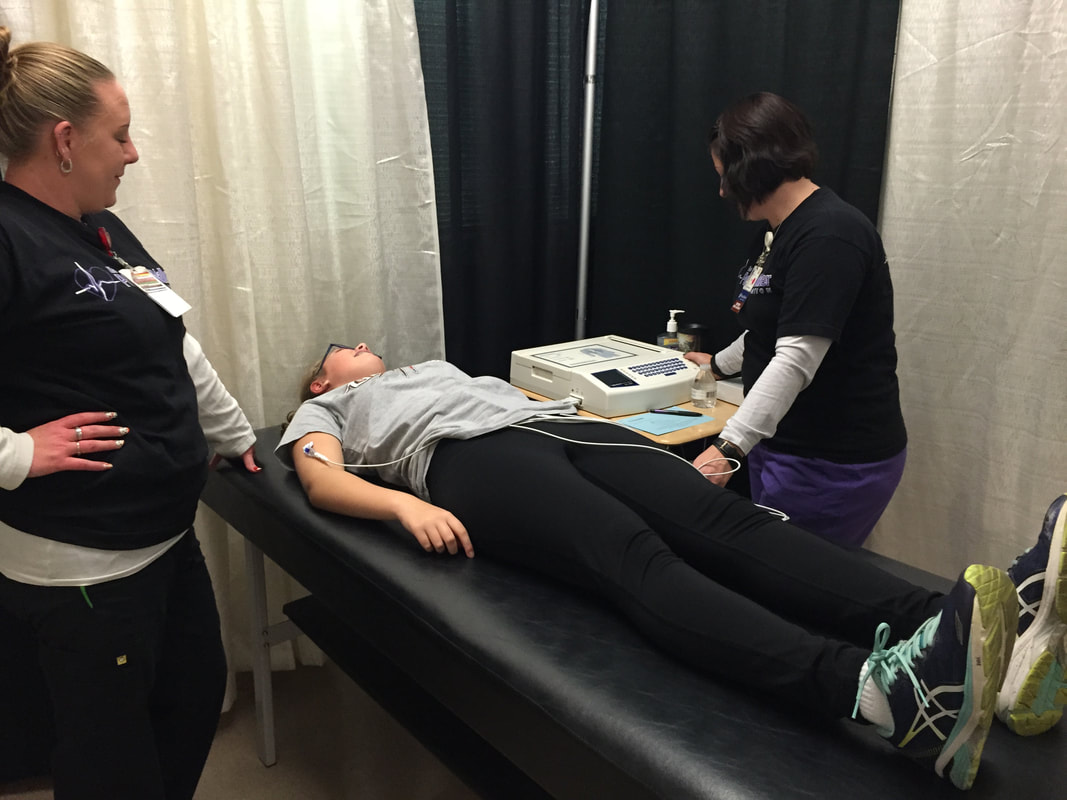
Every person will meet with a health care professional to discuss the results of their testing, will leave with a copy of their EKG, and will receive a summary report of their visit.
The entire visit typically takes 60 minutes – time well spent!
- He/she will receive a vitals check including blood pressure, height, and weight.
- He/she will receive an EKG (electrocardiogram) exam.
- He/she will be evaluated at the heart sounds/murmur station.
- About 10% of the people will receive an echocardiogram based on their family history or something of interest on the EKG. Should you need an Echo, you may need to stay an extra 45-60 minutes. This test is also provided at no cost to you.
Why is Heart Screening so important?
Sudden Cardiac Arrest (SCA) doesn’t only threaten athletes it strikes adults across all age groups, often without warning. Most at-risk individuals are unaware that they even have underlying heart issues.
Heart disease is shockingly common: In the U.S., nearly 1 in 20 adults aged 20 and older has coronary artery disease, and about 5% report diagnosed heart disease, but in reality, 48% of U.S. adults have some form of cardiovascular disease, including hypertension, stroke, or coronary disease.
Hidden conditions are common in mid-life: Globally, nearly half of adults over 40 may have undiagnosed “hidden” heart conditions, such as obstructive coronary atherosclerosis, dramatically increasing their risk of a heart attack.
Older adults frequently have silent heart disease: A study of adults aged 60+ found that over 25% had undiagnosed heart valve disease, often asymptomatic or misattributed to aging.
Sudden cardiac arrest is common in adults: In the U.S., there are approximately 535,000 cardiac arrests per year, with about 326,000 occurring outside hospital settings and survival rates are just around 10% for these events.
Traditional exams and medical histories often fail to detect the silent, dangerous heart conditions that predispose adults to SCA. For instance, many structural or electrical abnormalities won’t show up on physical exam alone.
Leading experts emphasize that the best strategy for early detection includes:
-
Noninvasive tests like electrocardiogram (EKG) and echocardiogram,
-
Coupled with a detailed review of personal and family cardiac history,
-
And careful assessment of warning symptoms—such as unexplained fainting, chest discomfort, shortness of breath, or palpitations.
These tools significantly enhance the ability to detect silent heart conditions, and offer a real chance to intervene before tragedy strikes.